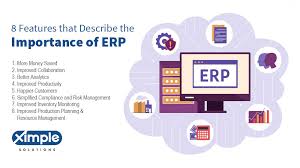
Enterprise Resource Planning (ERP) systems have become the backbone of modern business operations. Platforms like SAP, Oracle, and Microsoft offer powerful ERP solutions that integrate finance, supply chain, human resources, and operations into a single system.
However, one of the biggest decisions organizations face during ERP implementation is this: Should you customize the system to fit your business, or standardize your processes to fit the ERP?
This article explores both approaches and helps you determine which is better for your organization.
What Is ERP Customization?
ERP customization involves modifying the ERP system’s code, features, or workflows to align with a company’s specific business processes. This can include:
Custom dashboards and reports
Unique workflow automation
Industry-specific modules
Integration with legacy systems
Personalized user interfaces
Customization is common in businesses with highly specialized operations, such as manufacturing companies with complex production cycles or logistics firms with unique distribution models.
Advantages of Customization
Perfect Fit for Business Processes
The system adapts to your operations—not the other way around.Competitive Differentiation
Custom processes that provide strategic advantages remain intact.Improved User Adoption
Employees may find it easier to adapt to a system that reflects familiar workflows.
Disadvantages of Customization
Higher Costs
Development, testing, and maintenance require additional investment.Upgrade Complexity
Custom code can break during ERP version updates.Longer Implementation Time
Custom development extends project timelines.
What Is ERP Standardization?
ERP standardization means adopting the default best-practice processes built into the ERP system. Instead of changing the software, the organization adjusts its workflows to align with the system.
Modern ERP vendors design their systems based on global industry best practices. For example, leading ERP platforms include standardized financial reporting structures, procurement processes, and HR management workflows.
Advantages of Standardization
Lower Implementation Cost
Minimal customization reduces development expenses.Faster Deployment
Pre-configured processes allow quicker go-live.Easier Upgrades and Maintenance
Standard systems are more compatible with vendor updates.Scalability
Standardized processes support expansion and multi-branch operations.
Disadvantages of Standardization
Process Changes Required
Employees must adapt to new workflows.Less Flexibility
Unique operational needs may not be fully supported.Potential Resistance to Change
Organizational culture may struggle with process transformation.
Key Factors to Consider
When deciding between customization and standardization, consider these factors:
1. Business Complexity
If your company operates in a highly regulated or specialized industry, limited customization may be necessary.
2. Budget Constraints
Customization significantly increases total cost of ownership (TCO).
3. Long-Term Strategy
If scalability and rapid innovation are priorities, standardization often offers better sustainability.
4. Competitive Advantage
If your unique processes are core to your market differentiation, selective customization may be justified.
The Hybrid Approach: Best of Both Worlds?
Many organizations today adopt a hybrid approach:
Standardize core processes (finance, procurement, HR)
Customize only where it creates strategic value
Use configuration tools instead of deep code modification
Modern cloud ERP platforms allow configuration without heavy coding, reducing risk while preserving flexibility.
Which Approach Is Better?
There is no universal answer.
Choose Standardization if: You want faster implementation, lower cost, easier maintenance, and scalability.
Choose Customization if: Your competitive edge depends on highly specialized workflows.
For most organizations, standardize by default and customize only when necessary is the most sustainable strategy.