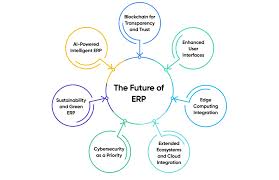
As businesses move deeper into digital transformation, Enterprise Resource Planning (ERP) systems are evolving rapidly. In 2026, ERP software is no longer just a back-office tool for managing finance and operations. It has become a strategic platform powered by Artificial Intelligence (AI), automation, and real-time analytics.
This article explores the key ERP software trends shaping 2026 and how organizations can leverage them for competitive advantage.
1. AI-Powered ERP: From Data Processing to Intelligent Decision-Making
Artificial Intelligence is transforming ERP systems from reactive tools into proactive business advisors.
🔹 Predictive Analytics
Modern ERP platforms now use AI algorithms to:
Forecast demand and sales trends
Predict cash flow fluctuations
Identify potential supply chain disruptions
Detect financial anomalies or fraud
Instead of relying solely on historical reports, businesses can now make forward-looking decisions with confidence.
🔹 Intelligent Recommendations
AI-driven ERP systems provide smart suggestions such as:
Reordering inventory automatically
Optimizing production schedules
Recommending budget reallocations
Identifying cost-saving opportunities
This reduces manual analysis and empowers managers with actionable insights.
2. Hyperautomation: Streamlining Business Processes
Automation is not new to ERP, but in 2026, we are seeing hyperautomation — the combination of AI, machine learning, robotic process automation (RPA), and workflow tools.
🔹 Automated Financial Processes
Tasks such as:
Invoice processing
Expense approvals
Bank reconciliations
Tax calculations
are increasingly handled with minimal human intervention.
🔹 Workflow Automation Across Departments
ERP systems now automate cross-functional processes, including:
Order-to-cash
Procure-to-pay
Hire-to-retire
Plan-to-produce
This improves accuracy, reduces errors, and speeds up operations.
🔹 Self-Service Capabilities
Employees and managers can access dashboards, generate reports, and approve requests via mobile-friendly interfaces — improving efficiency and responsiveness.
3. Real-Time Analytics: Instant Visibility, Smarter Decisions
One of the most powerful trends in ERP software is real-time data processing.
🔹 Live Dashboards
Executives can monitor:
Sales performance
Inventory levels
Production output
Financial KPIs
in real time, without waiting for end-of-day or end-of-month reports.
🔹 Faster Strategic Decisions
With real-time insights:
Supply chain issues can be addressed immediately
Pricing strategies can be adjusted dynamically
Operational bottlenecks can be resolved quickly
This agility is critical in fast-moving markets.
4. Cloud-First and Scalable Architecture
Cloud ERP continues to dominate in 2026. Leading platforms like:
SAP
Oracle
Microsoft
are enhancing their cloud ERP offerings with AI-native capabilities.
Benefits of cloud-based ERP include:
Lower upfront costs
Faster implementation
Automatic updates
Global accessibility
Improved data security
Cloud architecture also enables seamless integration with third-party applications and IoT devices.
5. Enhanced Data Security and Compliance
As ERP systems handle increasingly sensitive data, cybersecurity is a top priority in 2026.
Modern ERP solutions now include:
AI-based threat detection
Multi-factor authentication
Role-based access control
Automated compliance reporting
These features help organizations meet regulatory standards and protect critical business information.
6. Industry-Specific ERP Customization
ERP vendors are now offering industry-tailored solutions with built-in best practices for sectors such as:
Manufacturing
Healthcare
Retail
Construction
Logistics
This reduces the need for heavy customization and accelerates implementation timelines.
7. User Experience (UX) and Mobile-First Design
ERP systems are becoming more intuitive and user-friendly.
Key improvements include:
Clean, dashboard-driven interfaces
Voice-assisted queries
Mobile ERP applications
Personalized user views
A better user experience increases adoption rates and maximizes ROI.
Why These Trends Matter in 2026
The combination of AI, automation, and real-time analytics is turning ERP systems into intelligent business platforms.
Organizations that adopt modern ERP solutions can expect:
Improved operational efficiency
Reduced costs
Faster decision-making
Better risk management
Enhanced competitiveness
In contrast, companies relying on outdated ERP systems may struggle with slow processes, limited visibility, and missed growth opportunities.