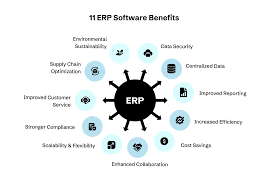
In today’s fast-moving digital economy, businesses need more than just basic accounting tools. Modern Enterprise Resource Planning (ERP) systems have evolved into powerful, integrated platforms that streamline operations, improve visibility, and support strategic decision-making.
But with so many ERP solutions available in the market, how do you determine which one is right for your business?
Here are the key features you should look for in modern ERP software:
1. Cloud-Based Architecture
Modern ERP systems are increasingly cloud-based. A cloud ERP solution offers:
Remote accessibility from any device
Lower upfront infrastructure costs
Automatic updates and maintenance
Enhanced scalability
Cloud deployment allows businesses to grow without worrying about server capacity or complex IT management.
2. Real-Time Data and Reporting
Real-time data access is no longer optional—it’s essential. A modern ERP system should provide:
Live dashboards
Customizable reports
Real-time financial insights
KPI tracking
This enables faster and more accurate decision-making across departments.
3. Integrated Modules Across Departments
A strong ERP system integrates multiple business functions into one platform, such as:
Finance and accounting
Human resources
Inventory management
Supply chain
Sales and CRM
For example, platforms like SAP, Oracle, and Microsoft offer fully integrated ERP ecosystems that eliminate data silos and improve cross-department collaboration.
4. Automation and AI Capabilities
Automation is a defining feature of modern ERP systems. Look for:
Automated invoicing
Workflow approvals
Demand forecasting
Predictive analytics
AI-powered recommendations
Advanced ERP solutions such as SAP S/4HANA and Oracle NetSuite leverage artificial intelligence to improve efficiency and reduce manual errors.
5. Scalability and Flexibility
As your business grows, your ERP system should grow with you. A scalable ERP allows you to:
Add new users easily
Expand to new locations
Integrate additional modules
Support multi-currency and multi-language operations
Flexibility ensures the software adapts to your business—not the other way around.
6. Customization and Configuration Options
Every business has unique workflows. A modern ERP should allow:
Custom dashboards
Configurable workflows
Industry-specific modules
API integrations with third-party applications
Customization helps align the ERP system with your operational requirements.
7. Strong Security and Compliance Features
With sensitive financial and employee data stored in ERP systems, security is critical. Important features include:
Role-based access control
Data encryption
Multi-factor authentication
Regulatory compliance tools (GDPR, tax regulations, etc.)
Audit trails
A secure ERP protects your organization from cyber threats and legal risks.
8. Mobile Accessibility
Modern work environments demand mobility. A good ERP system should provide:
Mobile apps or responsive design
Access to dashboards on smartphones and tablets
Approval workflows on the go
Mobile access empowers managers and teams to stay productive anywhere.
9. User-Friendly Interface (UX/UI)
Complex systems can reduce employee adoption. Look for ERP software that offers:
Intuitive navigation
Clean dashboards
Minimal training requirements
Guided workflows
A user-friendly interface increases productivity and reduces onboarding time.
10. Advanced Analytics and Business Intelligence
Modern ERP systems should go beyond basic reporting by offering:
Predictive analytics
Scenario modeling
Data visualization tools
Business intelligence (BI) integration
These capabilities help businesses move from reactive decisions to proactive strategy planning.
11. Seamless Third-Party Integrations
Your ERP should integrate with:
E-commerce platforms
Payment gateways
CRM systems
HR software
Manufacturing systems
Open APIs and integration capabilities ensure your ERP ecosystem works smoothly with other business tools.